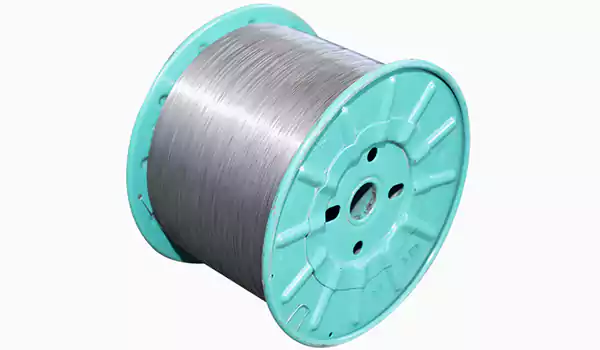
Determining the right steel tube for your application is based on comprehending its specs and practical deployments. Regular specs cover substrate, thickness rating, length value, and permissible tolerances. Criteria like pressure specifications, temperature capability, and corrosion immunity matter for industrial, commercial and residential piping. Steel tubing finds roles in construction, production, civil works, potable water lines, fuel distribution, sewer systems, structural reinforcement and specialized fields
- Knowing project-specific constraints is critical to pick the right conduit
- Check regulatory standards and technical codes for comprehensive metal pipe specs
- Choose materials based on pressure demands, temperature exposure and corrosive environments
Tube Steel: Strength, Durability, and Versatility
Formed steel tube products present excellent strength and are favored in a variety of industrial, structural and commercial settings. Reliable resistance to wear results from their manufacturing and heat-treatment processes. Manufactured from drawn or welded steel sections, they demonstrate strong resistance to rust, abrasion and impact, giving prolonged life in tough settings. Adaptable tube steel profiles can be manufactured as round, square, rectangular or custom sections to suit particular design requirements. From heavy-duty infrastructure and building frameworks to precision machinery and equipment, tube steel's mix of strength, durability and adaptability makes it indispensable in modern construction and manufacturing
Expanded Metal Grating: Improved Protection and Safety
Expanded metal mesh is increasingly chosen when applications require robust security and improved safety measures. The open configuration enables sightlines and simultaneously acts as a barrier to prevent unauthorized entry and reduce hazards. Selectable opening geometries and metal thicknesses provide adaptability to exact specifications
- Tough expanded metal resists collisions, intentional harm and severe environmental exposure
- In addition, easy setup and little maintenance contribute to its broad implementation
- Serving both critical facility protection and personnel safety in industry, expanded metal affords comprehensive guarding capabilities
Commercial and Industrial Uses for Metal Mesh
Metal mesh is adopted across industrial contexts because of strong mechanical properties, long service life and flexible applicability. It forms a firm matrix used in filtration systems, screening equipment, reinforcement layers and protective barriers. Construction frequently employs steel mesh in concrete reinforcement to enhance tensile strength and minimize fissures. Additionally, it is used in bridges, tunnels and civil engineering projects for structural support and load-bearing capacity. In factories, steel mesh serves as the core component for screens and filters that separate varying material sizes for sieving, sorting and clarification. Applications in security and safety cover guardrails, fencing and enclosures that help avert unauthorized access and protect workers. Tensile strength affords the mesh the ability to resist impact and force, guaranteeing dependable protection in harsh contexts
Piping in Structural Applications
Inherent robustness makes metal pipes indispensable for diverse structural applications. Their formability aids in producing resilient frameworks capable of supporting load-bearing applications across sectors. From multi-storey constructions to bridge spans and underground conduits, metal pipes supply core support and resist demanding environmental conditions. Corrosion tolerance and ease of fabrication strengthen their applicability in today's construction standards
Selecting Proper Tube Steel for Construction
When planning construction or fabrication, selecting the right tube steel is critical. With its strong, durable and lightweight characteristics, tube steel fits numerous use cases. However, the wide variety of grades and specifications means navigating tube steel options can be challenging
- Consider application, loading needs and environmental exposures for successful selection
- Elements like wall thickness, cross-sectional diameter and material grade directly influence outcomes
Thick-walled, high-strength tube steel suits heavy builds, while thinner-walled, lighter steel fits lightweight uses
Ask experienced engineers or established metal suppliers to advise on the most suitable tube steel for your needs
Advantages of Expanded Metal for Building Use
Expanded metal provides several functional and performance benefits suited to construction. Being lightweight it simplifies handling and installation while cutting labor expenses. Also, the open pattern enhances airflow and drainage, preventing moisture accumulation. Durable construction renders it ideal for situations demanding high resistance
Understanding Piping Connection Systems
Pipe joint components are key elements in piping systems that secure continuous fluid and gas transmission. Selecting an appropriate joint is determined by diameter, substrate, rated pressure and intended use. Widely implemented connection types are threaded, flanged and welded joints, each giving particular strength and sealing traits. Threaded coupling involves screwing male and female threads, flanged coupling uses bolted plates to form a seal, and welding fuses pipes into permanent joints with heat and pressure. Understanding the attributes of different joints is essential to secure a functional and leak-free piping arrangement
Steel Mesh as a Multipurpose DIY Material
Metal steel mesh delivers strong, lasting and adaptable properties for numerous DIY projects. The open lattice structure is ideal for building fences, screens and aesthetic elements. Plus, its manageability and low weight make it popular for novices and experienced DIY makers
- Think about using metal mesh for your next craft or build
Metallic Pipes: From Sanitary to Structural Support
Metallic pipes underpin modern construction and infrastructure with a balance of strength, durability and versatile use. While once primarily for plumbing, metal pipes have developed into structural reinforcement and support elements. From the foundational supports of buildings to the arteries of water and gas distribution, metal pipes offer critical functions in modern systems. Their solid construction supports high-pressure applications and corrosion immunity helps ensure long-term dependable performance. Likewise, high formability supports adapting pipes to many configurations for different application requirements
Expanded Metal: A Blend of Design and Function
Expanded metal offers special design opportunities paired with effective functionality. Open formation makes it useful for architectural accents as well as industrial safety and security systems. Strength combined with aesthetic potential means expanded metal can support loads and still look appealing
- Besides, improved ventilation from the open pattern makes it apt for heat dissipation and thermal management
- Expanded metal serves diverse fields such as construction, manufacturing, transportation, automotive and decorative arts
Comments on “Seeking low profile stainless panels and sheets?”